
What Retreat Facilitators Often Overlook About Food (and Why It Matters)
When people start planning a retreat, there are so many moving parts.
The location. The schedule. The experience. The flow of the days.
And somewhere in all of that, food often becomes something that just needs to be figured out.
But what I’ve seen over time is that food is never just food in a retreat setting.
It has a direct impact on how people feel throughout the day, and even after the retreat is over.
This is especially true when it comes to retreat catering and thoughtful retreat meal planning, which directly shape the overall experience.
Food is part of the retreat experience, not separate from it
One of the biggest things I’ve noticed is that food is often treated as something separate from the retreat itself.
But in reality, meals are woven into the entire experience, especially when retreat catering is approached with intention.
They influence:
energy levels throughout the day
how present guests feel during sessions
the overall sense of care and support
When retreat meals are aligned with the intention of the retreat, everything feels more cohesive.
In my experience, you can feel the difference right away. When the food is intentional, people soften. They settle in. They feel supported without even realizing why. It becomes part of the container you are holding, not something outside of it.
This is where retreat meal planning is often overlooked

Most retreat facilitators do not intentionally overlook food. It just happens.
There is so much focus on the schedule, the sessions, and the guest experience that meals become something handled later.
But retreat food planning and wellness retreat menu planning are not just about what to serve.
It is about:
timing meals with the flow of the day
making sure food supports movement and rest
creating a menu that works for different dietary needs
When this part is rushed or simplified too much, it can affect the overall experience more than expected.
What I have noticed is that even the most thoughtfully planned retreats can feel slightly off if the food is not supporting the rhythm of the day. Something as simple as a heavy lunch before an afternoon session can shift the entire energy of the group.
Retreat meals directly affect how your guests feel
Food plays a bigger role than most people realize.
The right meals can help guests feel:
grounded
energized
supported
clear and present
On the other hand, meals that are too heavy, too light, or not well timed can leave guests feeling off for the rest of the day.
This is why thoughtful retreat menu planning matters. It supports not just the body, but the entire experience.
This is also where professional retreat catering support can make a noticeable difference.
I have seen moments where a simple, nourishing meal brought people back into their bodies after an emotional session. It creates a sense of safety. It helps people integrate what they are moving through.
It is not just about having “healthy food”
A lot of retreats aim to provide healthy meals, which is a beautiful starting point.
But what works best in a retreat setting goes beyond that.
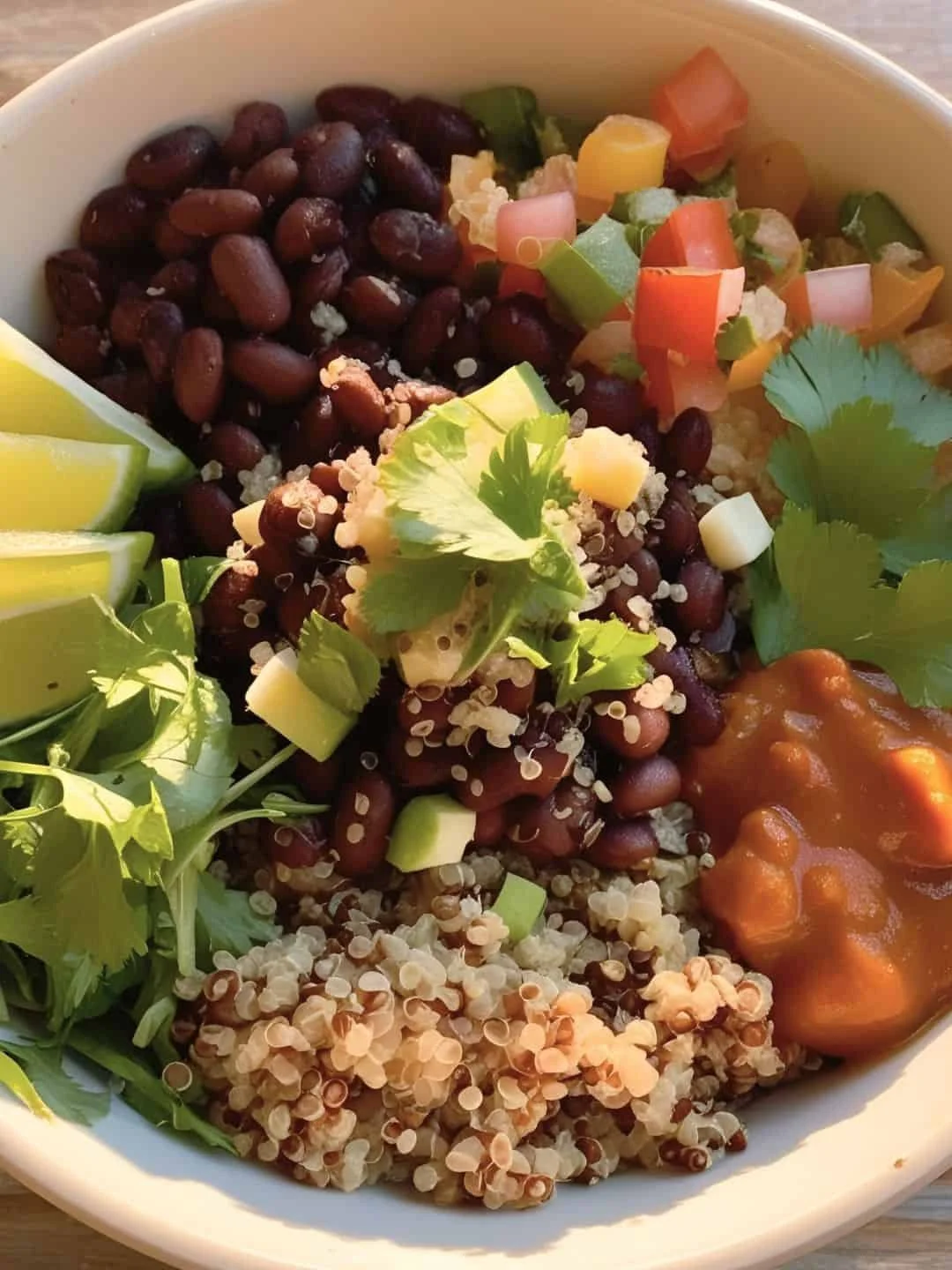
Wellness retreat meals should feel:
nourishing without being overwhelming
easy to digest
balanced and satisfying
aligned with the energy of the retreat
It is less about labels, and more about how the food supports your guests throughout the day.
It is about listening. Listening to the group, the environment, the season, and even the flow of the retreat itself. Food becomes more intuitive when you approach it this way.
Food also shapes the emotional experience of a retreat

One of the more subtle things I have noticed is how much food affects the emotional side of a retreat.
Meals are often where people:
connect with each other
slow down and integrate
feel taken care of
These moments are part of the retreat experience just as much as the sessions themselves.
When retreat meals are intentional, they help create a deeper sense of connection and support.
What I have noticed is that some of the most meaningful conversations happen around the table. There is something about sharing a meal that naturally opens people up. It becomes a space for connection, reflection, and community.
This is where many facilitators start to feel overwhelmed
Planning the retreat menu is one thing.
Actually making it happen is another.
There is a lot involved:
preparing meals
managing dietary needs
keeping everything on schedule
cleaning and resetting between meals
And all of this happens while you are also leading the retreat.
This is usually the point where many facilitators realize how much space food actually takes up.
I have seen facilitators try to do it all themselves, and it quickly pulls them out of the experience they worked so hard to create. Instead of being present with their guests, they are thinking about the next meal, the next prep, the next cleanup.
Getting support with retreat food can change the entire experience
This is where having support can make a big difference.
Working with someone who understands retreat catering and menu planning for retreats allows you to stay focused on your guests, while knowing that the meals are being handled with intention.
It is not just about providing food. It is about creating a supportive, aligned experience through every meal.
In my experience, when facilitators feel supported in this area, everything shifts. They can relax into their role, be more present, and actually enjoy the retreat alongside their guests.
When food is approached with intention, it becomes part of the experience rather than something in the background.
It supports your guests in ways that are both visible and subtle.
And often, it is one of the things people remember most.
Planning a retreat and want support with the menu?
If you are planning a wellness or yoga retreat and want support creating meals that feel aligned, nourishing, and supportive of your guests:
