A Sample 3-Day Retreat Menu (and How I Plan Meals for a Wellness Retreat)
When you’re planning a retreat, food is often one of the last pieces to come together.
But it has a much bigger impact than most people expect.
The meals you serve shape how people feel, how they move through the day, and how supported they are throughout the experience.
When I’m planning a retreat menu, I’m not just thinking about what sounds good. I’m thinking about how each meal will land, how it supports the flow of the retreat, and how it aligns with the overall intention.
When planning meals for a wellness retreat—especially if you’re considering retreat catering support—these small details make a big difference.
Here’s a simple example of how I typically approach a 3-day retreat menu.
A Sample 3-Day Retreat Menu
Every retreat is different, but this structure is something I come back to often when planning retreat meals.
Day 1 — Arrival & Settling In
The first meal is about helping people land.
After travel, I like to have something ready for people as they arrive. Some attendees may have been traveling for hours or even days. A small snack to ground them in—something simple and nourishing that helps them transition into the space.
This might look like:
Ginger lemonade or herbal tea
Homemade superfood muffins or protein balls
Fresh fruit or something light and easy to digest
It’s not about a full meal yet. It’s just something to help people feel welcomed, cared for, and settled after the journey.
For dinner, I keep things simple, grounding, and easy to digest.
Dinner
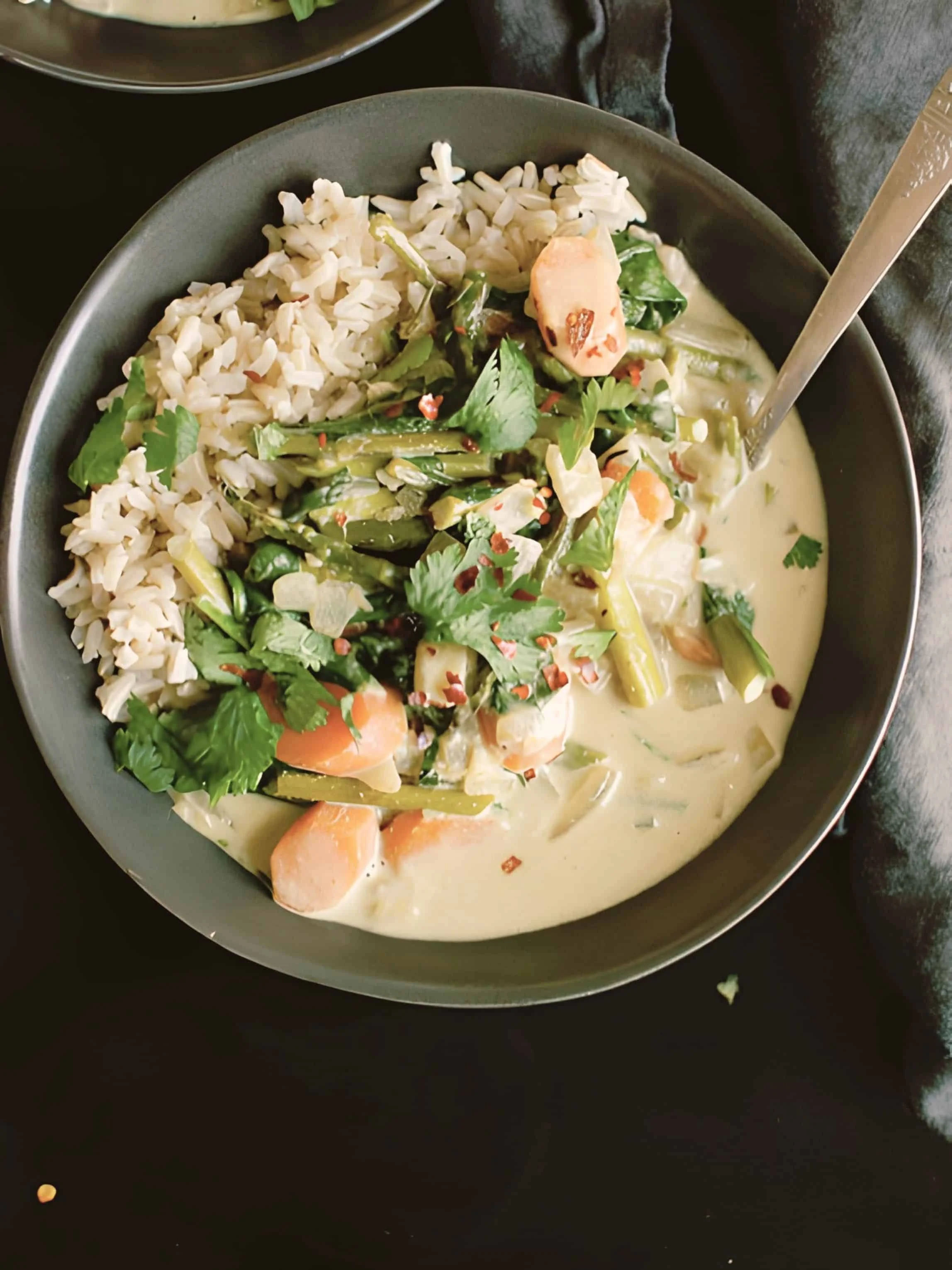
A warm, nourishing main like a vegetable curry or grain-based dish
Fresh seasonal salad
Light sides and herbal tea
A few of my favorites are Thai Green Curry and Baja Grain Bowls. Meals like this help people settle in without feeling too heavy.
Day 2 — Full Retreat Day
This is usually the most active day of the retreat.
Meals here are designed to support steady energy, mental clarity, and a grounded, nourished feeling throughout the day.
Breakfast
I like to keep breakfast light, but still sustaining enough to carry people through a morning practice or session.
This often looks like:
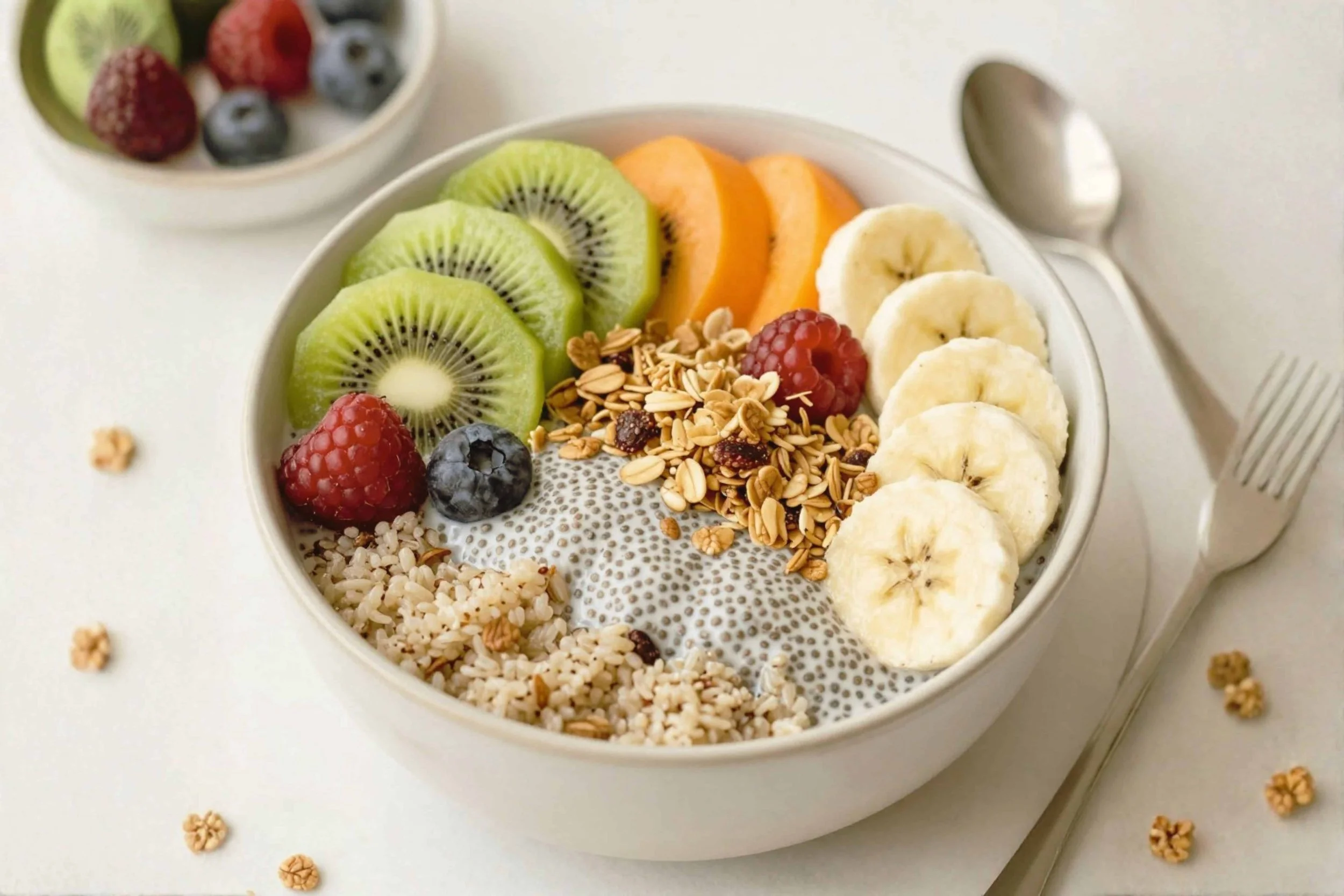
Chia pudding with golden granola and fresh berries
Quinoa porridge with seasonal fruit and toppings
Simple egg dishes when it feels aligned with the group
Fresh fruit and herbal tea
Something that feels easy to digest, but still gives people what they need to start the day.
Quinoa Glow Bowls and Green Goddess Smoothie Bowls are two of my favorites.
Lunch
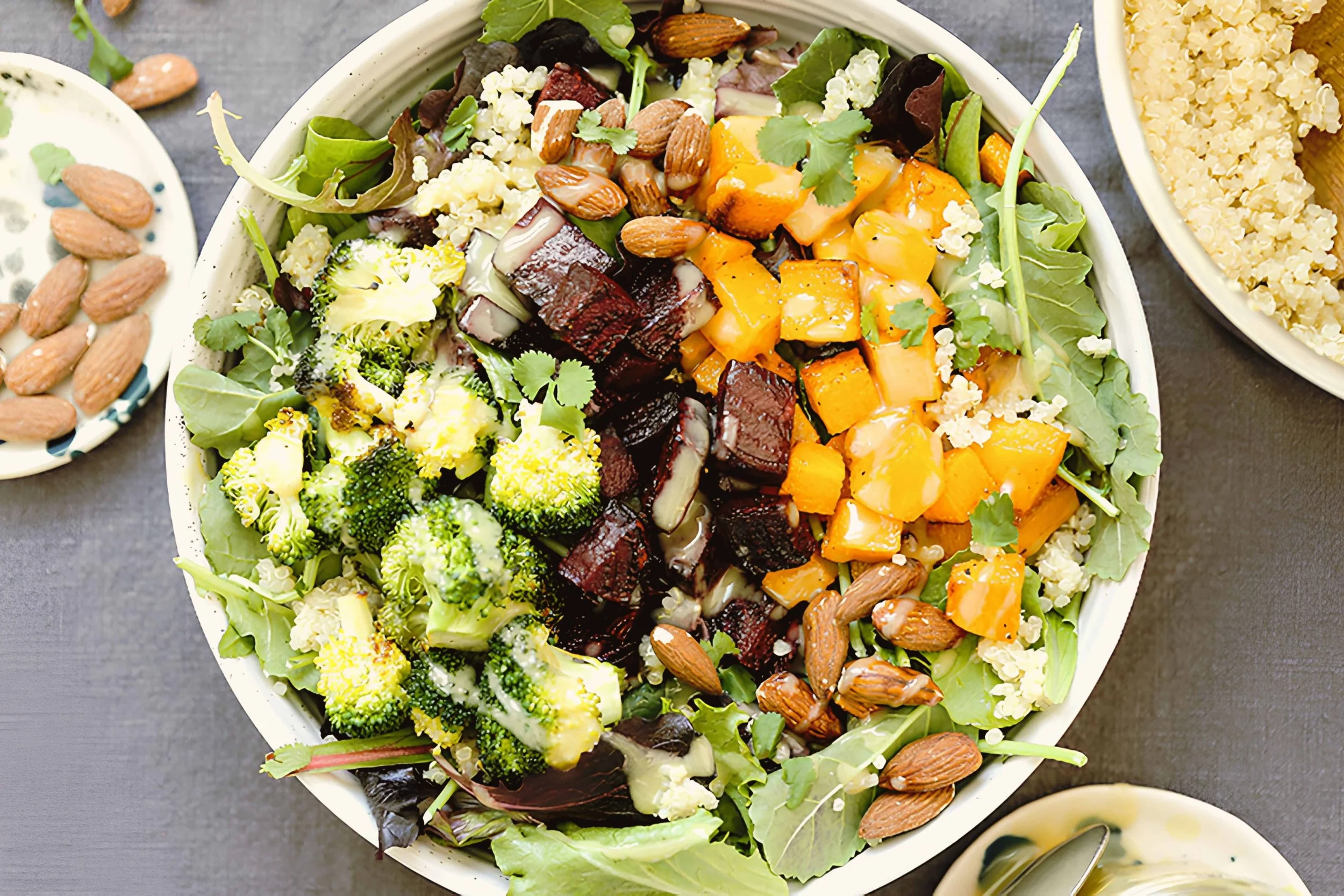
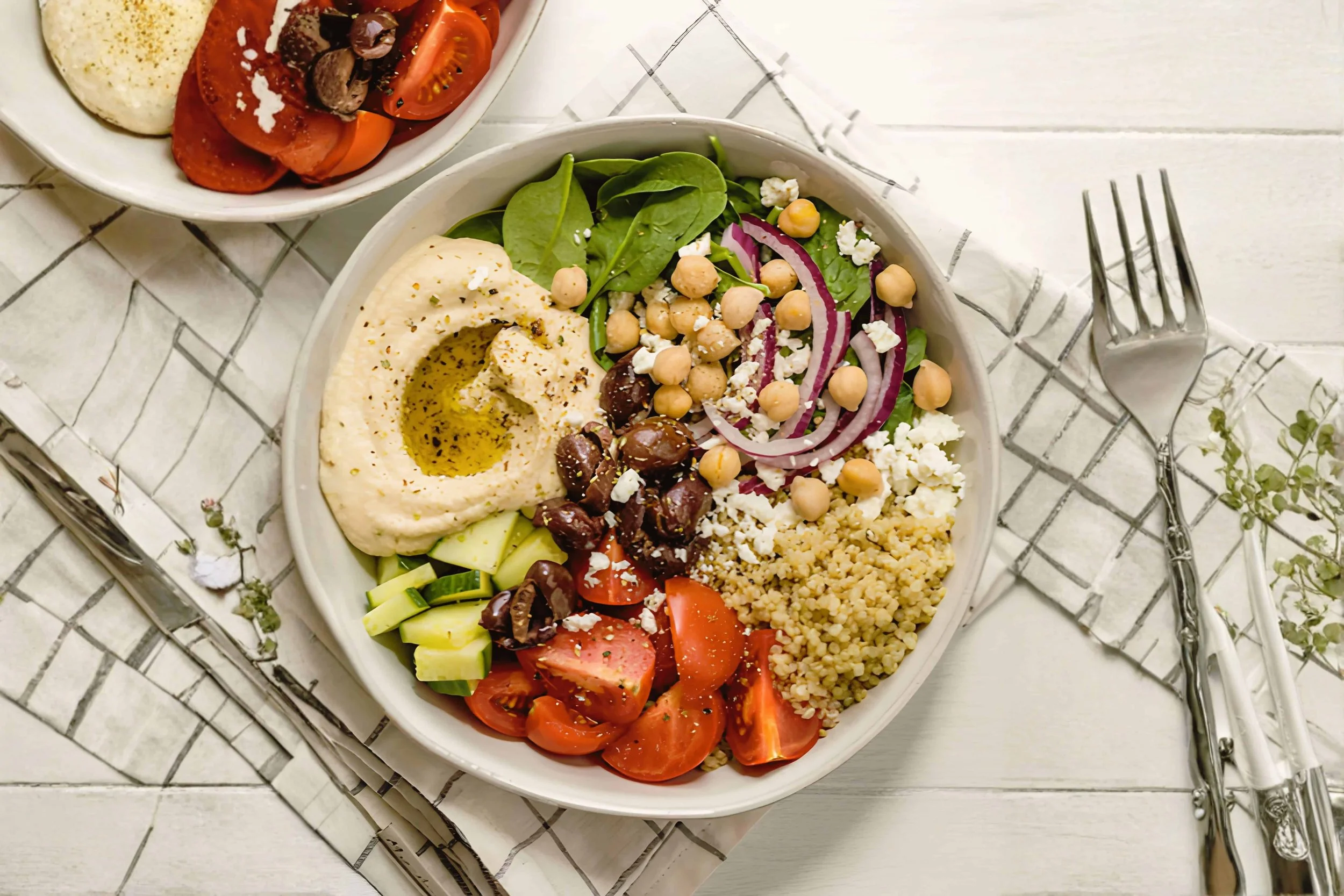
Lunch is usually centered around nourish-style bowls that people can build themselves.
This is one of my favorite ways to serve because it allows for flexibility while still feeling abundant and satisfying.
A typical setup might include:
A grain base like quinoa, rice, or farro
Roasted or fresh seasonal vegetables
Leafy greens
A plant-based protein like lentils, chickpeas, or tofu
Optional animal protein when requested
House-made sauces or dressings like tahini, herb vinaigrettes, or curry sauces
Toppings like seeds, herbs, pickled vegetables, or avocado
These meals feel colorful, fresh, and energizing without being too heavy.
Roasted Root Veggie Bowls and Greek Quinoa Hummus Bowls are retreat favorites.
This approach works especially well when planning wellness retreat meals that need to support both flexibility and nourishment.
Dinner
Dinner is where things start to slow down.
I usually serve something warm, balanced, and comforting, but still supportive of rest and digestion.
This might look like:
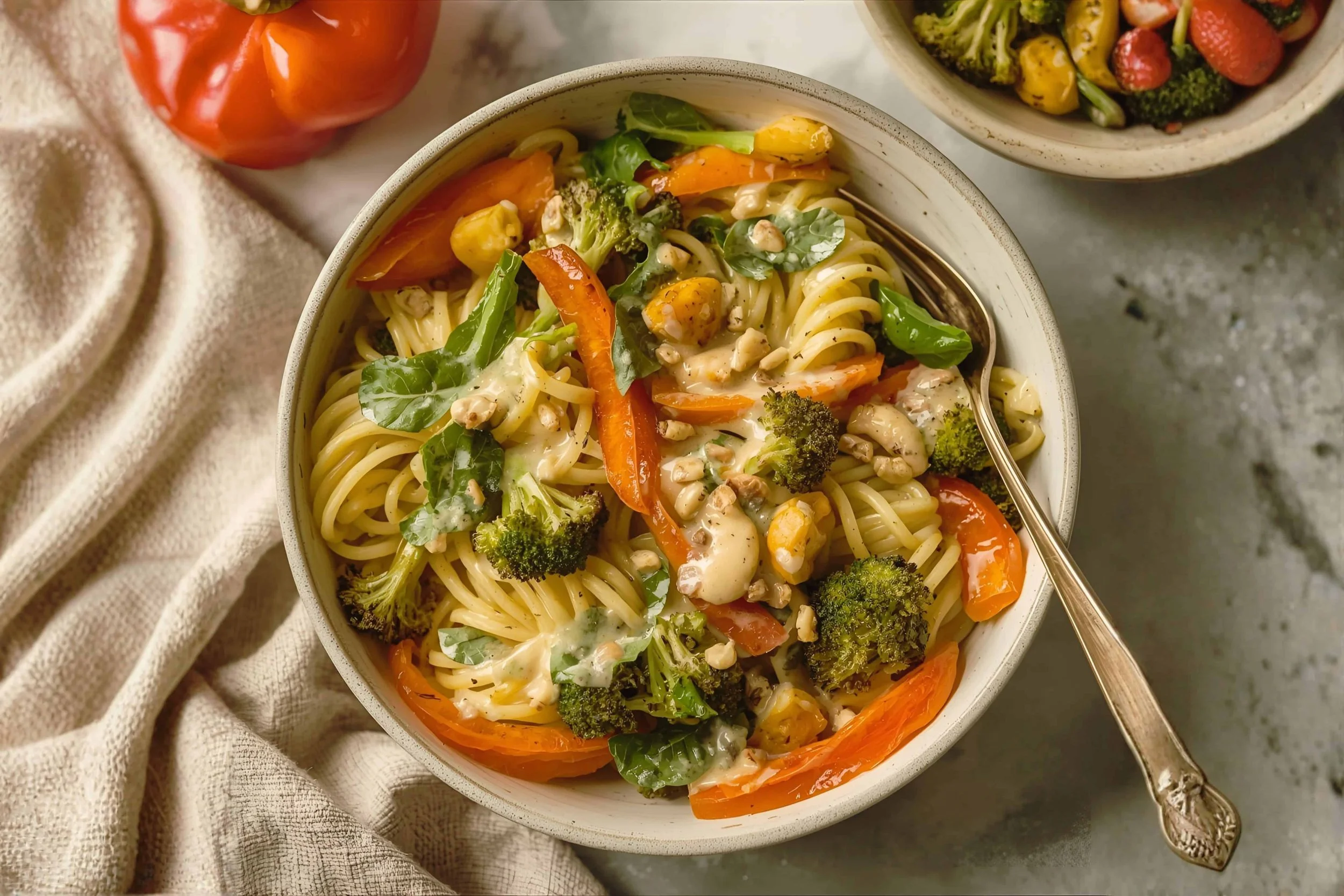
Roasted veggie pasta with a creamy cashew alfredo sauce
Simple stir-fries or one-pan meals with rice and roasted veggies
Warm grain dishes with greens, herbs, and a flavorful sauce
One meal I come back to often is a roasted veggie lentil pasta with a creamy cashew alfredo paired with a fresh seasonal salad. It feels comforting and satisfying, while still being light enough to support rest at the end of the day.
Always paired with:
Fresh greens or a seasonal salad
Healthy fats for satiety
Something simple and grounding to round out the meal
The intention is for people to feel nourished and satisfied, without feeling overly full before rest.

Day 3 — Closing & Transition
The final day has a softer energy, but it’s also often a transition day.
Most people are preparing to travel, so I like to make sure they leave feeling fully nourished and taken care of.
Instead of keeping things lighter, I usually offer a more substantial breakfast to support them as they head out.
Breakfast
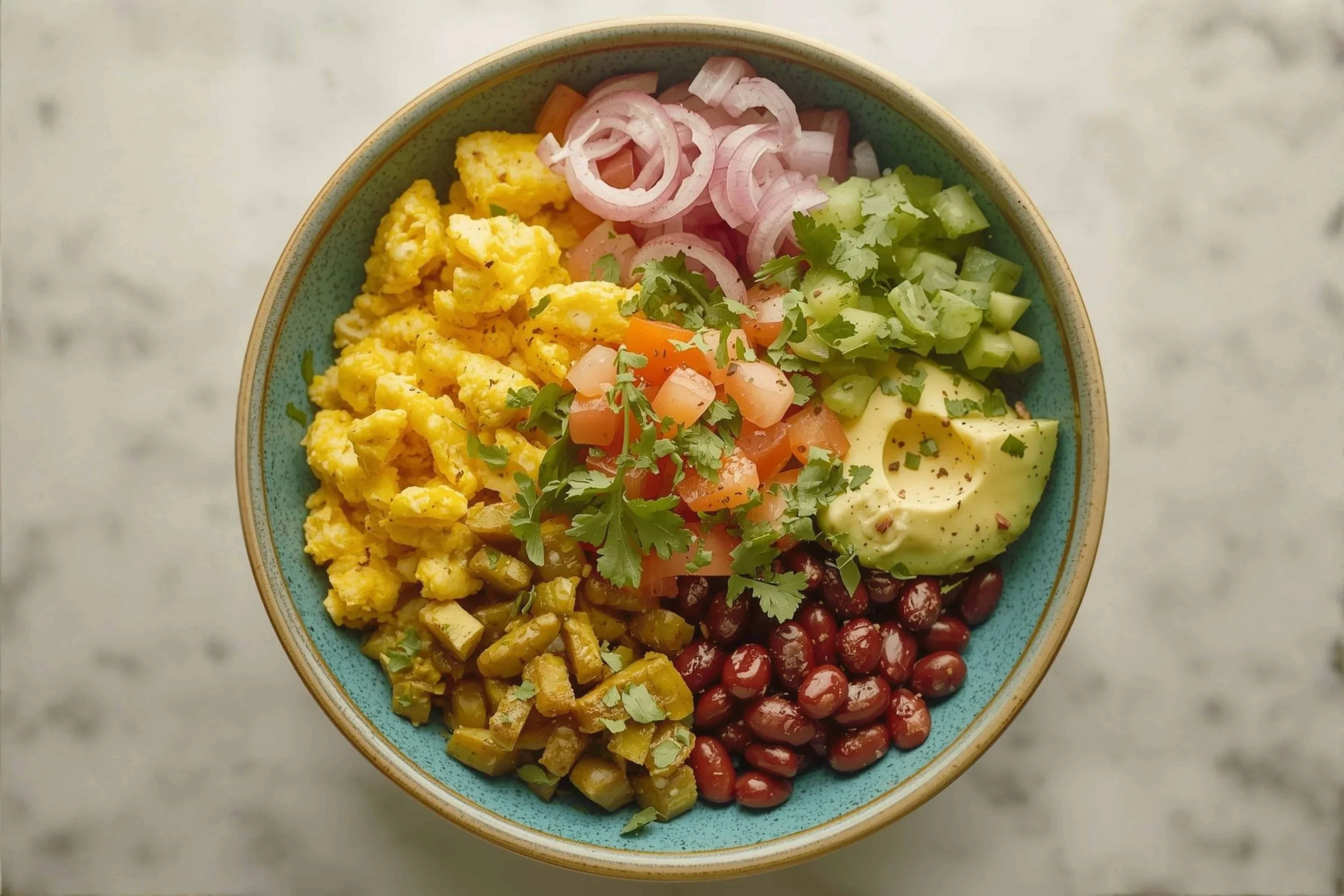
Rise and Root breakfast with roasted potatoes, greens, and eggs
Roasted veggie frittata or tofu scramble
Blueberry pancakes for something comforting and familiar
Fresh seasonal fruit
To round things out, I’ll often include something refreshing like a sunrise smoothie or green smoothie.
Meals like this help people feel steady and supported as they transition out of the retreat and back into their everyday lives.
A Glimpse Into a Real Retreat Menu
To give you a sense of how this looks in practice, one recent retreat menu I created included meals like:
Vegetable-based curries with fresh salads
Nourish bowls with grains, greens, and protein options
Smoothies, fruit, and lighter breakfast options
Warm, balanced dinners designed to support rest
Each menu is always a little different, but the intention stays the same—meals that feel supportive, nourishing, and aligned with the retreat experience.
If you’d like to bring some of these meals into your own kitchen, I put together a small collection of recipes I often serve at retreats.
👉 Download “A Glimpse Into My Retreat Kitchen” here
How I Think About Planning Retreat Meals
When I’m working as a retreat chef and supporting wellness retreat catering, there are a few things I always come back to.
Supporting the flow of the retreat
Meals should match the energy of the day. Some moments need something lighter, others more grounding.
Keeping meals balanced and nourishing
I focus on whole, seasonal ingredients that support energy and digestion.
Creating ease for guests and facilitators
Meals should feel simple and accessible. Flexible options make a big difference.
Letting food be part of the experience
Meals often become a space for connection. They’re not separate from the retreat—they’re part of it.
Planning a Retreat and Need Support with the Menu?
If you’re planning a retreat and want support with creating a thoughtful, balanced menu, this is something I offer through my retreat catering services.
You can learn more about my approach to wellness retreat catering and how I support retreat facilitators here:
👉 Explore Retreat Catering Services
Or if you already have a retreat in mind, feel free to reach out here:
A retreat menu doesn’t need to be complicated.
It just needs to be intentional.
When meals are thoughtfully planned, they support everything else you’re creating—from the energy of the group to the overall experience of the retreat.
And that’s really the role of retreat catering. To quietly support the work you’re doing.