
How to Plan Meals for a Wellness Retreat (From Someone Who’s Been in the Kitchen)
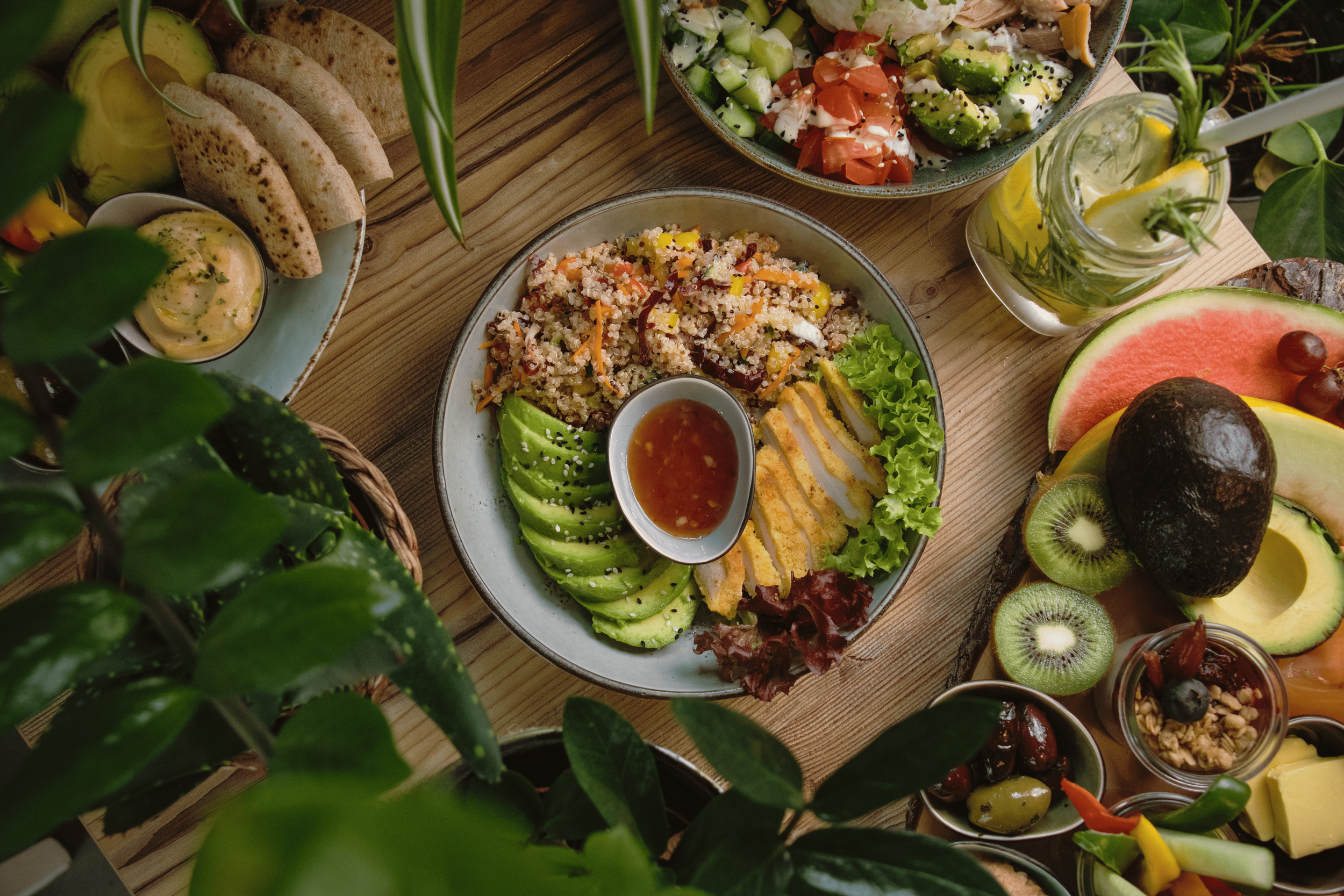
What I’ve Learned From Feeding People At Retreats…
When it’s done well, food at a retreat becomes part of the magic.
It’s not just about what people are eating. It’s about how they feel. It’s about the pauses between sessions, the conversations that happen over a shared meal, and the way nourishment can either support the experience… or unintentionally disrupt it.
I’ve had the opportunity to cater many retreats over the years, and one thing I’ve seen again and again is this:
When food is thoughtfully planned, it becomes part of the retreat itself.
If you’re planning a retreat, here are a few things I’ve learned that can make a big difference.
Start With The Flow Of The Retreat

Before you even think about meals, look at the rhythm of your retreat.
When are people waking up?
When are your longer sessions?
Where are the natural pauses?
The schedule will tell you everything.
I’ve seen retreats where meals felt rushed or out of sync, and you could feel it in the room. And I’ve seen retreats where meals were woven into the experience, where people had time to land, eat, and connect. Those are the retreats that feel really grounded.
A few things to think about:
Do you need something light before morning practice?
Will lunch need to be quick and energizing or slow and spacious?
Are dinners a time for connection or quiet reflection?
When meals align with the flow, everything feels more supported.

Consider the Type of Retreat You’re Hosting
Not every retreat needs the same kind of food.
A yoga retreat, a grief retreat, a detox retreat, and a high-energy workshop all have very different needs.
I always like to think about what the body and nervous system are being asked to do, and then support that through food.
For example:
Slower, more introspective retreats often benefit from grounding, nourishing meals
More active retreats might need meals that feel a little lighter and more energizing
Emotional or transformational work often calls for food that feels comforting and steady
Food can either support what you’re facilitating… or work against it.
Build Meals Around Nourishment,
Not Heaviness
One of the most common things I hear from retreat participants is:
“I want to feel nourished, but not weighed down.”
That’s really the balance.
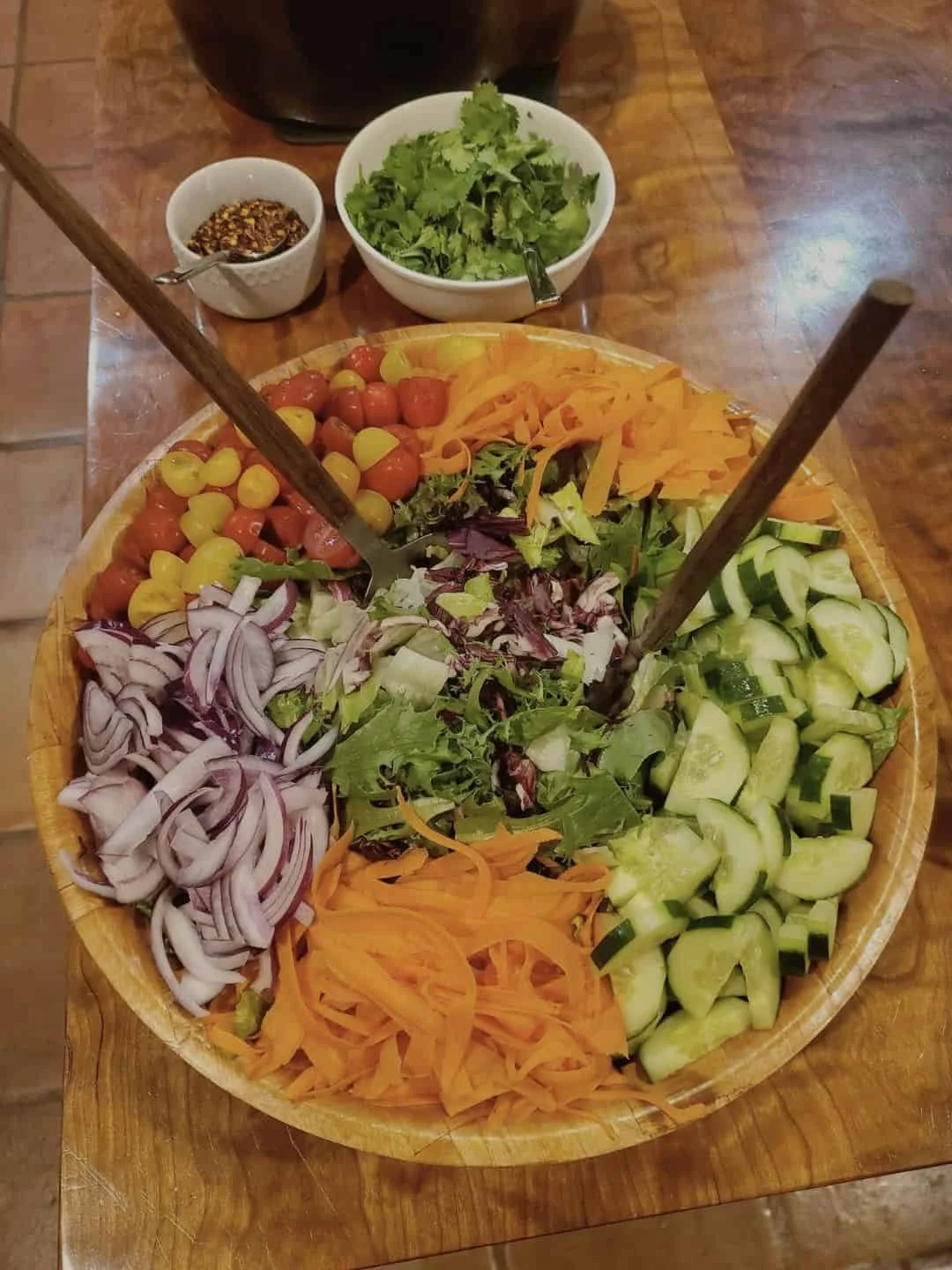
Meals don’t need to be complicated. In fact, simple, thoughtfully prepared meals are often the most supportive.
I tend to focus on:
whole, real ingredients
balanced meals with protein, healthy fats, and fiber
fresh, seasonal foods when possible
It’s less about being restrictive and more about creating meals that help people feel steady, energized, and clear.
Don’t Wait On Dietary Needs
This is one of the biggest areas where things can either flow… or get stressful quickly.
The earlier you gather dietary needs, the better.
I’ve worked retreats where this was clear from the beginning, and everything felt smooth. And I’ve also stepped into retreats where dietary needs were still being sorted out last minute, and it adds unnecessary pressure for everyone.
Some common needs to plan for:
vegetarian or vegan
gluten-free
dairy-free
allergies
When you have this information early, it allows for more thoughtful planning and a better experience for everyone.
Think Beyond the Main Meals
Meals are important, but what happens in between matters too.
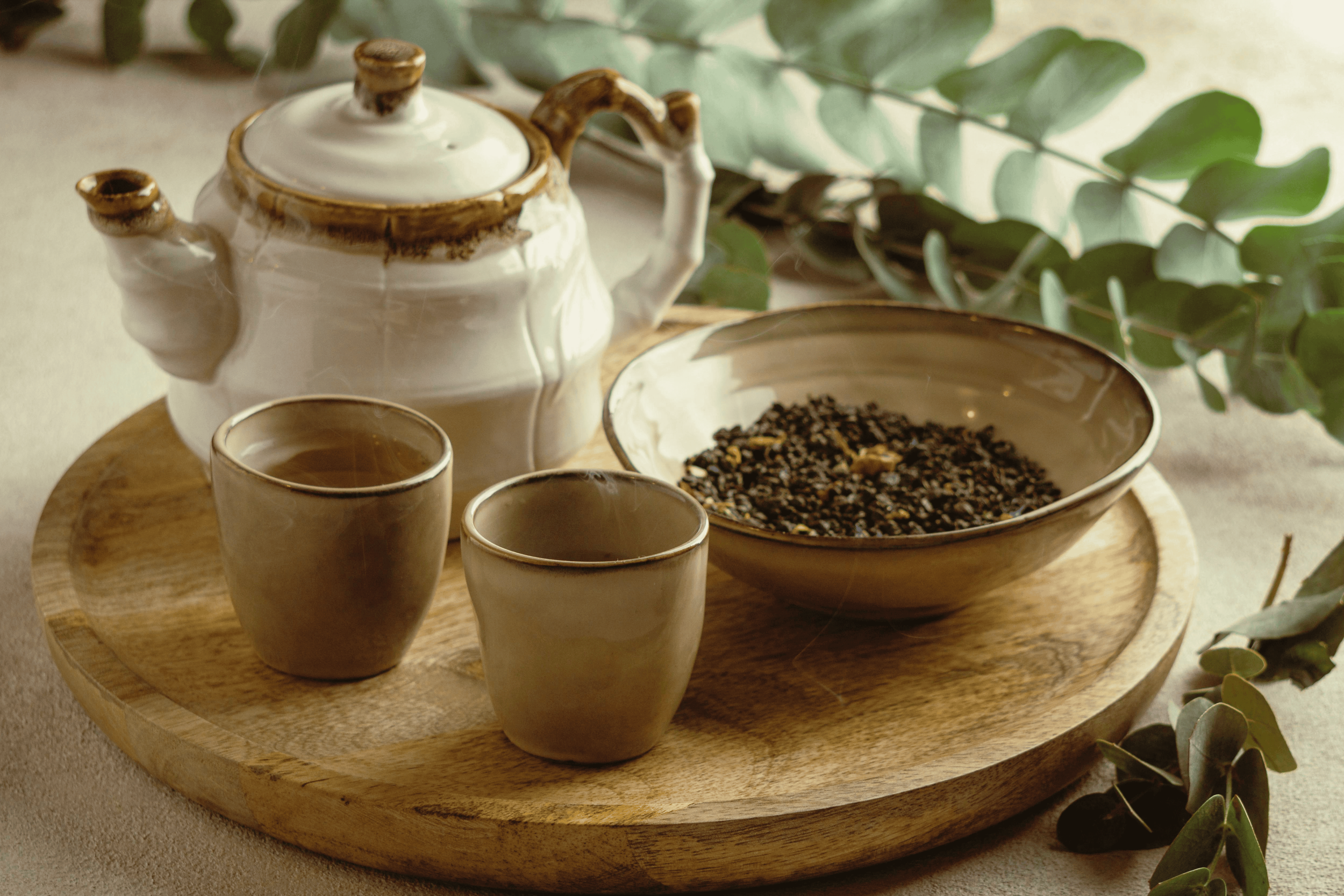
There’s often a moment mid-afternoon where people need something small. A cup of tea. A light snack. Something to keep them going without interrupting the flow.
Simple additions like:
fresh fruit
tea and herbal blends
light snacks
Can make a big difference in how supported people feel throughout the day.
Decide Whether You Want To DIY Or Hire Support
This is a big decision.
It’s absolutely possible to organize and prepare food yourself, especially for smaller retreats. But it’s worth really asking:
Where do you want your energy to go?
I’ve seen facilitators try to hold space and manage food at the same time, and it can pull them out of the experience they’re trying to create.
Having support allows you to stay in your role.
It doesn’t have to be all or nothing either. Some retreats choose partial support, like bringing in a caterer for dinners or for specific days.
Planning a retreat and want support with meals?
Explore retreat catering options
What A Retreat Caterer Can Support
When you bring in a caterer who understands retreats, you’re not just outsourcing meals. You’re adding someone to your team who is paying attention to the same things you are.
In my role, I’m always thinking about:
timing meals around your schedule
supporting the energy of the day
accommodating dietary needs with care
creating meals that feel grounding and intentional
The goal is for the food to feel seamless, so you can stay focused on holding the space you’re there to hold.
Final Thoughts
Food is such a central part of the retreat experience, even though it’s often treated as secondary.
When it’s done well, people feel it. They feel supported, cared for, and more able to drop into the work they came to do.
If you’re planning a retreat, my biggest advice is to think of food as part of the container, not just something to check off the list.
And if you ever want support thinking through that piece, I’m always happy to connect.
